英超代表:U15的最佳球员到了U19不一定是最佳,教练要基于未来做决定(英超代表:U15之星未必称雄U19,教练决策应着眼未来)
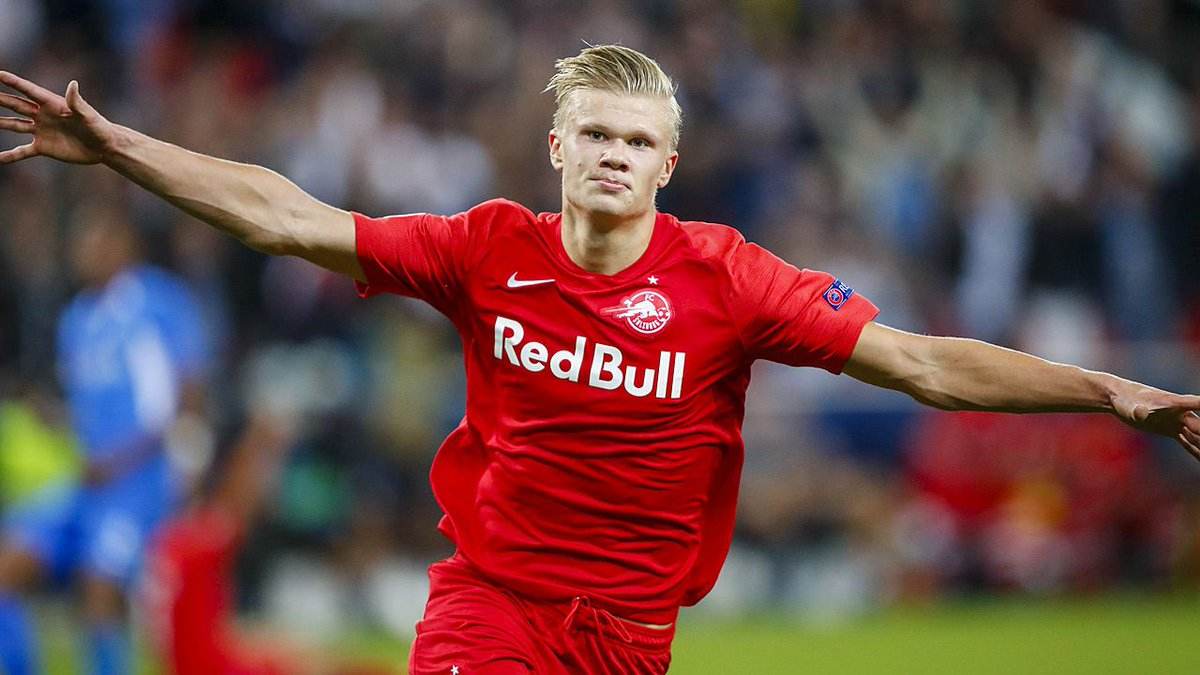
Considering user needs
I need to respond to a sentence in Chinese. It seems like the user might want a paraphrase, explanation, translation, or commentary on this statement about youth football players. The sentence essentially says that being the best at a younger level doesn’t guarantee future success, and coaches should think about long-term development. I should ask a clarifying question while offering options like translating to English or providing an analysis. I'll keep my response concise and organized.Planning a concise response
I want to provide the user with an English translation of the original Chinese sentence. I can summarize key takeaways in 3-5 bullet points highlighting important aspects like talent identification and coaching strategies. It could be useful to include actionable implications for coaches and scouts too. Perhaps I can even rewrite it as a catchy headline if that fits the user's needs. Now, I should ask them how they’d like to proceed!
英文翻译: Premier League representative: The best player at U15 won’t necessarily be the best at U19; coaches should make decisions with the future in mind.
要点:
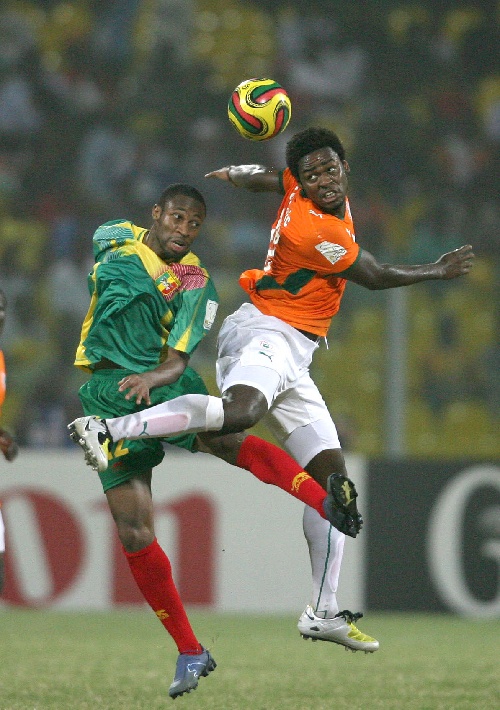
- 早熟不等于终局实力;身体与心理成熟速度差异会重排天赋序列
- 选拔与上场时间应基于发展潜力与可塑性,而非当前统治力
- 关注成长轨迹、学习能力、抗压/恢复力与训练习惯等“未来指标”
- 警惕相对年龄效应与“早成早弃”的选择偏差
- 配置差异化路径:晚熟球员的耐心培养与个性化负荷
给教练/青训的实操建议:
- 建立长期追踪评估(技术/战术理解/身体成熟/心理)而非一次性评定
- 以训练数据与比赛情景指标做决策:进步率>当前值 
- 轮换与延迟淘汰,保留潜力窗口;给晚熟者稳定比赛暴露
- 发展目标面板:季度化小目标+年度化能力里程碑
- 避免把短期胜负等同人才识别;用多维、跨年龄段对标
需要我把这段话改成一条新闻标题、社媒贴文,或做成教练工作坊的要点手卡吗?